Series: In Slovenia with a dog · EPISODE 1 OF 2
Slovenia with a Dog: Our 5-Day Road Trip Itinerary
A first-hand five-day road trip through Slovenia with a medium-sized dog, including the route, accommodation choices and current access rules.
Updated on Published on 6 min read
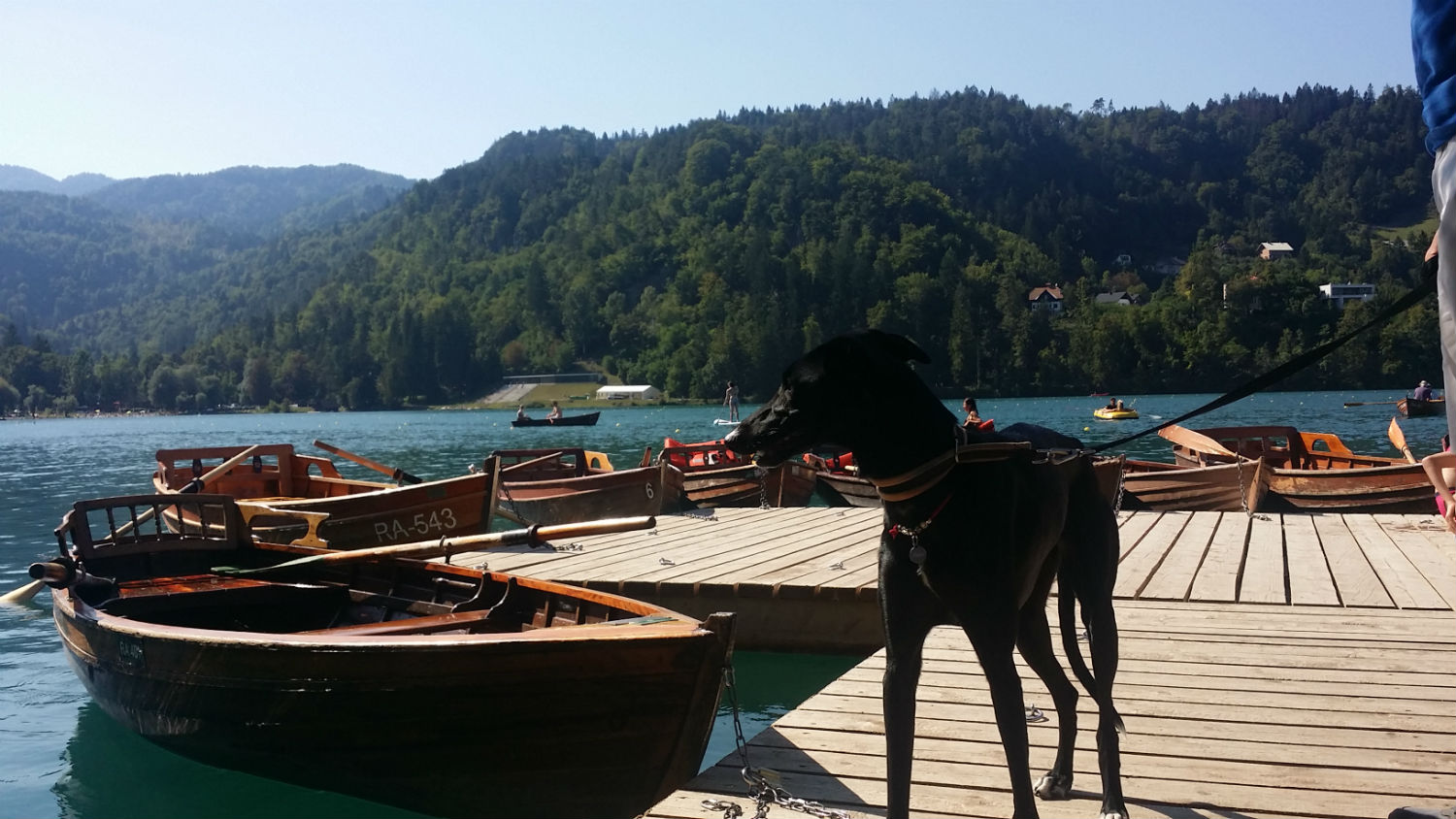
After tasting a Slovenian white wine, my husband said, “Why don’t we go to Slovenia?” And so we did.
We had five days for a holiday without the children, but with the dog. Slovenia seemed like the perfect place for a road trip with a dog: it’s close to Italy, it’s becoming more and more popular thanks to its green credentials, and it’s small enough that you can visit cities, lakes and the countryside without rushing around.
Planning the trip: dog-friendly accommodation
Organising the holiday was straightforward but intense, because we settled on the destination only a couple of weeks before leaving. As always, the Lonely Planet guide to the country helped a great deal, along with the page on the official Slovenian tourism website dedicated to travelling with pets.
Accommodation that accepts dogs is plentiful and spread across the whole country, and many booking portals let you filter for pet-friendly properties. Conditions, extra charges and size limits vary from one property to the next, so it is worth asking for confirmation before booking.
We chose hotels outside the main centres, close to fields and green areas where we could walk Atena after a day spent driving and visiting cities.
Our 5-day Slovenia road trip
As is often the case, the most difficult part of planning the trip was deciding what to leave out. With only five days available, some things had to be omitted.
Slovenia is very small. Its surface area is smaller than Lombardy’s, and even the more remote areas are two or three hours away from the capital, Ljubljana, by car. In high season, you should allow for some traffic on the main routes.
We planned the trip to allow for a slow, relaxed pace. On holiday, we prefer to avoid rushed visits, forced marches and endless drives. The result is an itinerary that crosses Slovenia from west to east, with a mix of natural landscapes, cities, and small historic towns.
- Day 1 – From Italy to Lake Bled and the Vintgar Gorge
- Day 2 – Ljubljana and the Žale monumental cemetery
- Day 3 – Celje, then on to Ptuj
- Day 4 – The Mill Park and Maribor
- Day 5 – Postojna Cave, Predjama Castle and the drive back to Italy
Our route across Slovenia, day by day. Day 5 was planned but not completed.
- Day 1 — Lake Bled and the Vintgar Gorge
Lake Bled · Vintgar Gorge - Day 2 — Ljubljana and the Žale monumental cemetery
Ljubljana · Žale cemetery - Day 3 — Celje and Ptuj
Celje · Ptuj - Day 4 — The Mill Park and Maribor
Mill Park (Veržej) · Maribor - Day 5 — Postojna Cave and Predjama Castle (planned, not completed)
Postojna Cave · Predjama Castle
We originally planned to visit Postojna Cave and Predjama Castle, but ultimately decided against it so that Atena would not be left alone during the visits. However, I have kept them in the itinerary as they are on the way back to Italy and could be a good option for those travelling without a dog or who can make other arrangements.
We decided to pass through some of the main towns and leave out the mountain hikes, which we made up for later with a separate holiday, as well as the spas, as having our big girl with us made access impossible or difficult.
The first day, spent around Lake Bled and Vintgar Gorge with a dog, is covered in detail in a dedicated episode.
Slovenia: history, forests and wine culture
Before I started planning the trip, I knew nothing at all about this country. Over the years, Slovenia has become one of Europe’s leading destinations for sustainable tourism, but to me it was a blank page.
So planning this holiday was a real opportunity to learn something new.
On 25 June 1991, Slovenia and Croatia declared independence from Yugoslavia. The Ten-Day War followed in Slovenia: the country was not unscathed, but was spared the far longer and bloodier conflicts that later struck Croatia and Bosnia and Herzegovina.
For those wondering: yes, Slovenia has been part of the European Union since 1 May 2004 and has used the euro since 1 January 2007.
It really is a very green country. In 2024 forests covered almost 60% of its territory, and driving across it you understand very clearly how much the woodland shapes the landscape.
As we had imagined, wine culture runs deep. The three wine regions correspond to different landscapes and production methods: Primorska, in the west, encompasses Brda, the Karst and the Vipava Valley, and is renowned for wines such as Teran, Rebula, Malvazija, Refošk and Zelen. Posavje, in the south-east, is primarily associated with light whites and reds, as well as Cviček. Podravje, in the north-east, is the largest region and is particularly notable for its white wines, including Šipon, Riesling and Traminer.
Our itinerary ran straight through Podravje, home to Ptuj, which holds the oldest wine cellar in Slovenia, and Maribor, where we saw the oldest vine in the world still producing wine.
Travelling with Atena: size and access rules
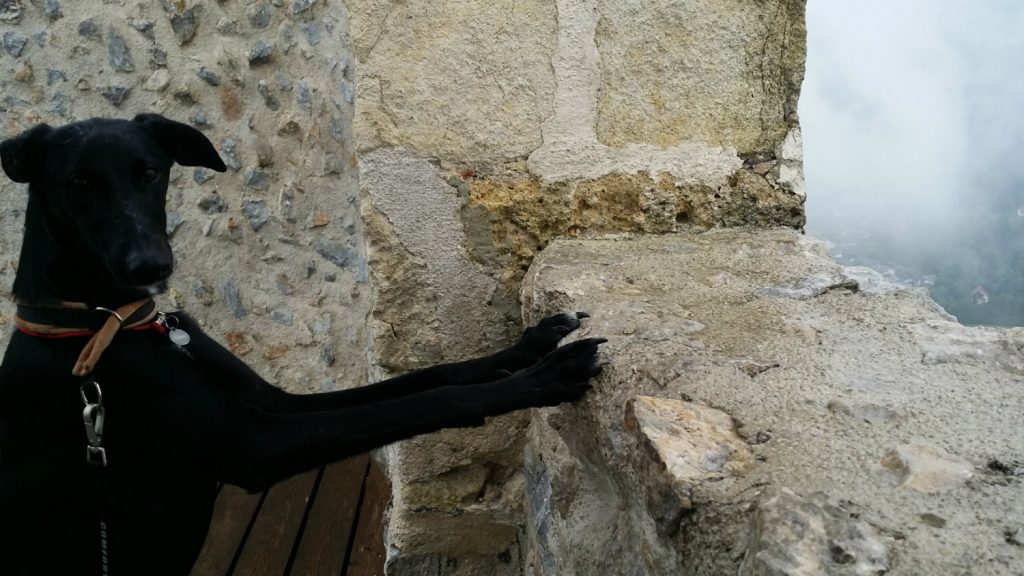
Yes, we have also decided to bring Atena, our 20 kg, 63 cm Spanish galga (greyhound). I mention her measurements because the rules on trains and in some properties change according to the size of the dog.
Compared with 2017, more official information is available today. The best place to start is the Slovenian Tourist Board’s page on travelling with pets. However, there is no single rule covering museums, castles, parks, restaurants and public transport, so check the policy of each individual site before you visit.
Dogs are not allowed inside Postojna Cave or Predjama Castle. Free shaded kennels are available near the Postojna Cave EXPO for ticket holders, subject to availability.
Can dogs visit museums, castles and outdoor attractions?
An increasing number of Slovenian museums now accept dogs. The national tourism portal lists museums that welcome dogs and venues with dedicated spaces, but the final decision rests with each individual museum.
Castles, parks and other outdoor attractions do not automatically allow dogs either. While many places accept dogs on a lead, protected areas, historic buildings and individual sites may set limits. The general rule is simple: check the official website before you leave.
Are dogs allowed in Postojna Cave, Predjama Castle and Slovenian spas?
Dogs are not permitted in any of the Postojna Cave Park attractions, including the cave itself and the interior of Predjama Castle.
However, ticket holders can use a number of free shaded kennels near the Postojna Cave EXPO, subject to availability. The official source does not guarantee ventilated kennels, water or a separate service at Predjama Castle, which is several kilometres from Postojna Cave. Visitors should therefore verify this arrangement before planning their visit.
Animals are not permitted on the underground tour at the Škocjan Caves either. As a general rule, it is always best to check the rules of each site individually.
Dogs are not normally allowed in pools or wellness areas at spas, but some hotels, apartments or campsites attached to spa complexes may accept them.
Can dogs enter restaurants in Slovenia?
During our 2017 trip Atena was welcomed in every restaurant we chose, although in one case the owner hesitated. That is personal experience, not a national rule: access depends on the venue and may be restricted to outdoor areas. It is better to ask when booking, especially with a medium or large dog.
Dogs on trains and public transport
Always carry a lead, waste bags and a muzzle.
On Slovenian trains, small animals travel free of charge in a suitable carrier. For dogs taller than 30 cm, Slovenian Railways generally require a half-price ticket, a short lead and a muzzle; some train categories may apply restrictions. Urban and intercity buses set their own conditions: always check the operator and the specific service before you travel.
Documents for travelling to Slovenia with a dog
Travelling from Italy, or from any other EU country, you need:
- an identification microchip;
- an EU pet passport;
- a valid rabies vaccination.
The microchip must have been implanted before the rabies vaccination. In the case of a first vaccination, the dog can travel only after at least 21 days. Nobody asked us for documents during our tour, but they must be in order and available in case of checks.
If you are travelling from outside the EU, including from the United Kingdom, the requirements are different: check the rules for your country of departure before you book.
Before you go
Access rules can change. Always check the official sources a few days before your visit, especially for attractions, transport and kennel services.
Continue the series
In Slovenia with a dog
Episode 1 of 2
- Episode 1 of 2
Slovenia with a Dog: Our 5-Day Road Trip Itinerary
A first-hand five-day road trip through Slovenia with a medium-sized dog, including the route, accommodation choices and current access rules.
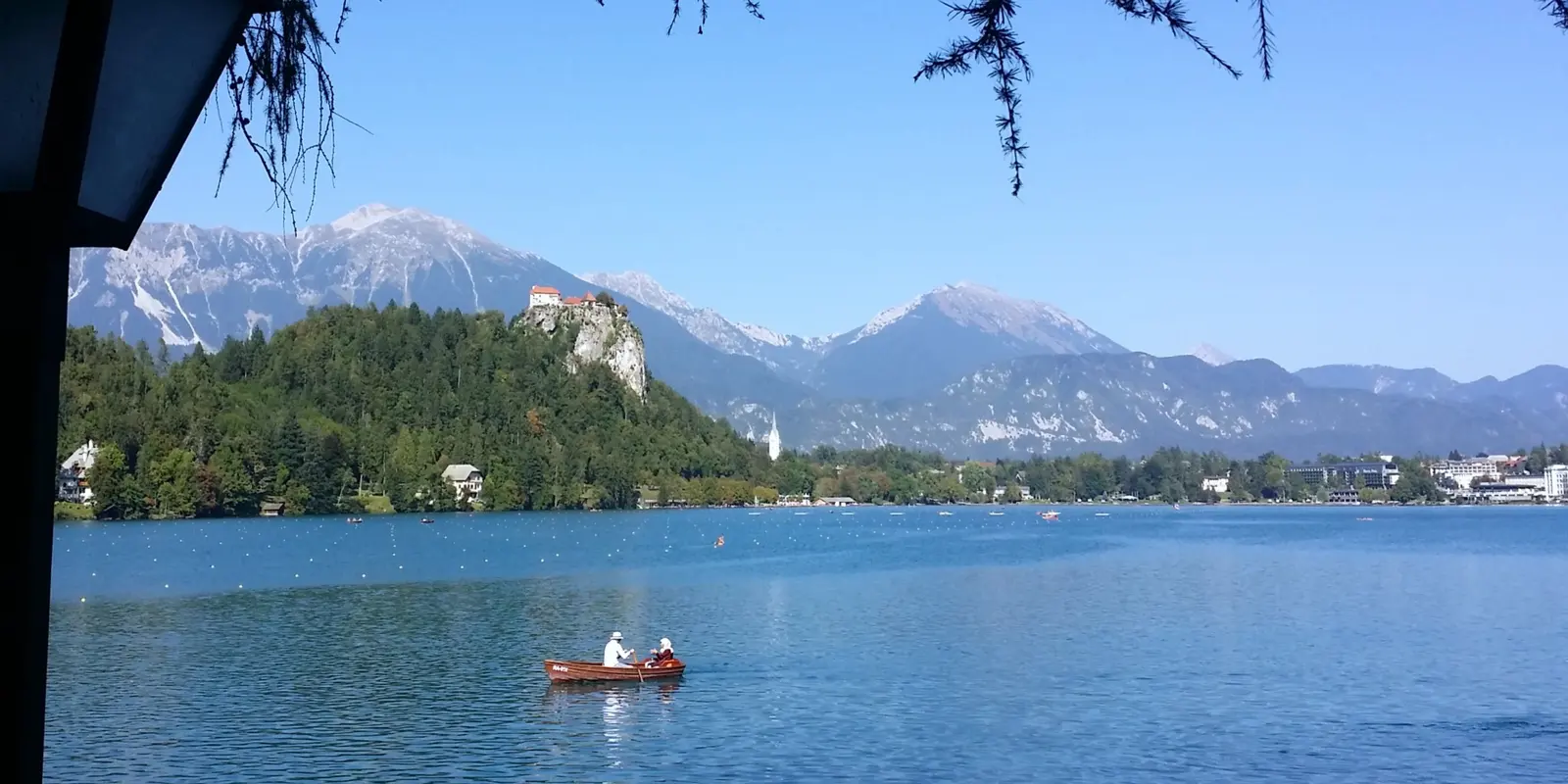 Episode 2 of 2
Lake Bled and Vintgar Gorge with a Dog
Visit Lake Bled and Vintgar Gorge with your dog: pletna boat, shuttle, tickets and rules updated to August 2026.
More articles to read
Vernazza: a jewel of the Cinque Terre
The Cinque Terre are among Italy's most internationally renowned destinations. The beautiful roughness of the coasts, the scents of the Mediterranean scrub,…
The sound of a Stradivarius at the Violin Museum of Cremona
Because, if you listen to it, Cremona can hit you right in the heart. When Lena Yokoyama began to play, I felt…
Keep travelling
Follow the “In Slovenia with a dog” series
Get the next articles in the series and updates on the CorSara guides.
The sign-up form is provided by MailerLite. To respect your cookie preferences, I load it only when you switch it on.